
This guide introduces the AP35-3 Lift Assembly and SS Tube and the documentation needed to confirm its function and compatibility.
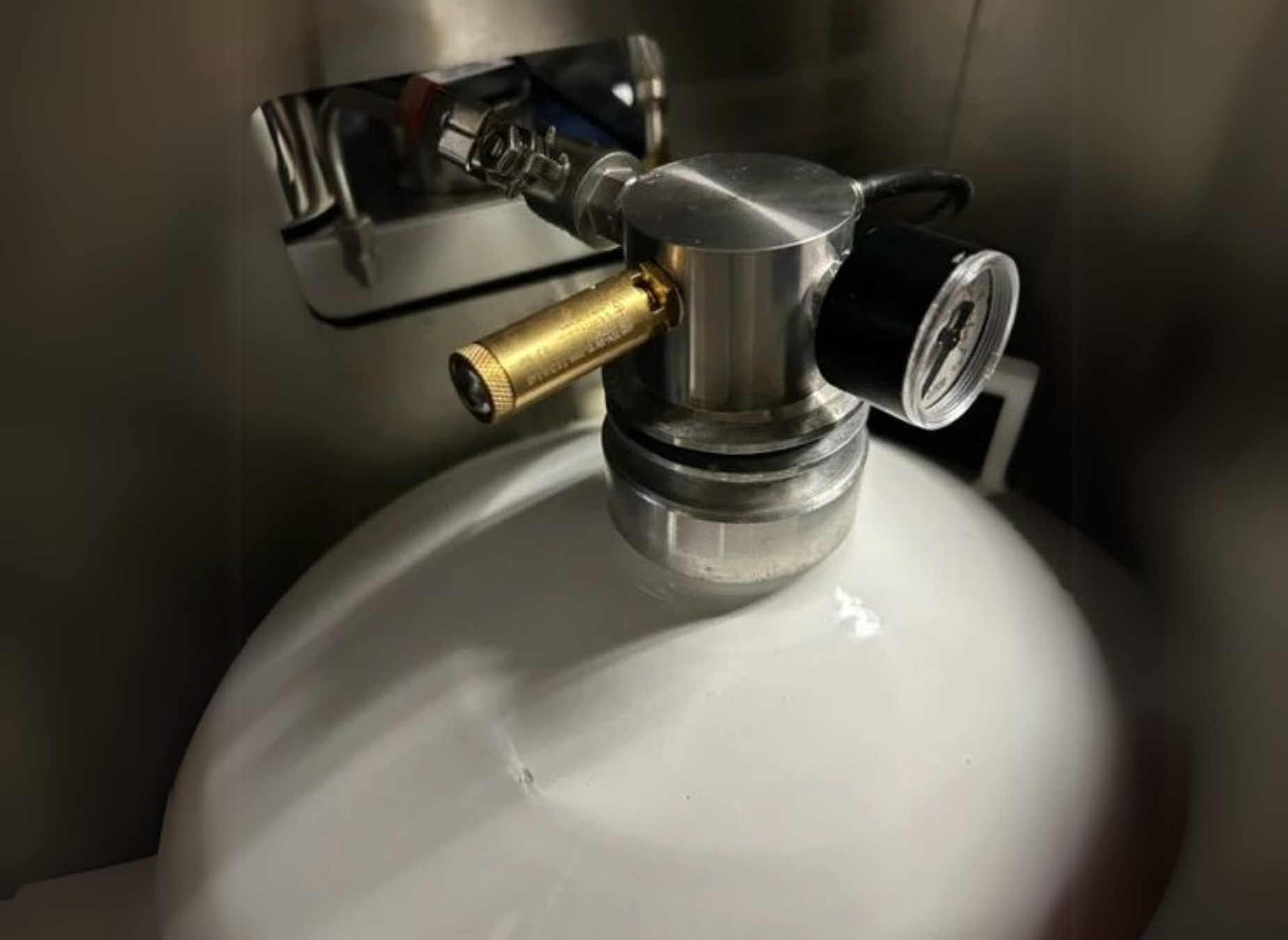
Detailed AP35-3 specifications are not established by the information presented here. The general lift-assembly and stainless-steel examples below are background information, not verified AP35-3 design features or operating instructions.
The AP35 fogger visualizes airflow using liquid nitrogen and manufacturer-specified water. It is not specified for dispensing disinfectants. Select and service AP35-3 using the component drawing and instructions for the exact AP35 configuration.
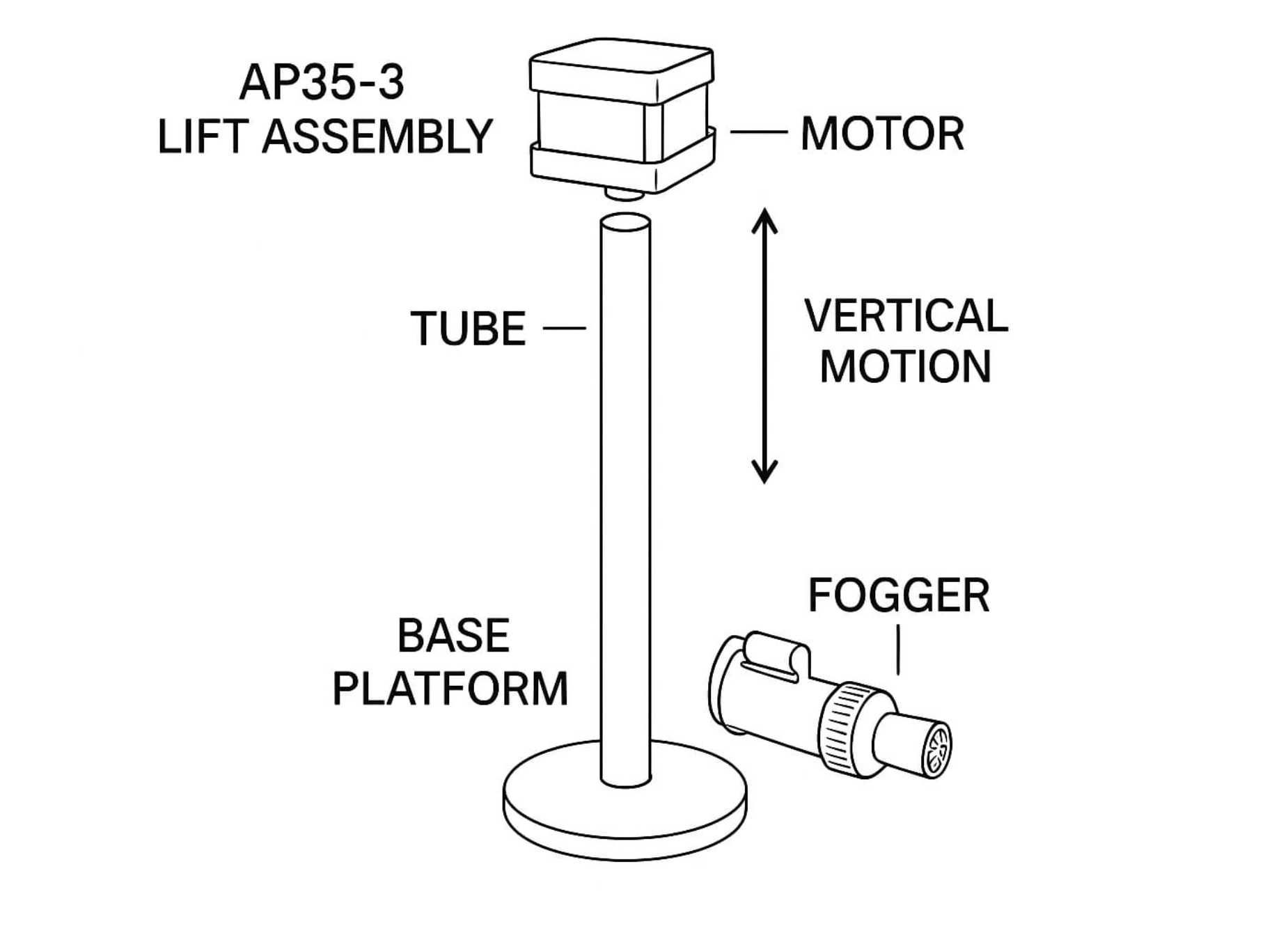
Confirm the AP35-3 alloy, surface finish, operating limits and interfaces with Applied Physics. The component name alone does not establish positioning accuracy, fog-output performance, service life or chemical compatibility.
Airflow visualization is separate from sanitization. Do not add disinfectants or other unapproved chemicals to AP35 operating liquids; follow the current approved-media instructions and facility study protocol.
General-purpose lifting or positioning assemblies may include the following features, depending on their design. This list is not an AP35-3 parts list:
Confirm the actual AP35-3 parts and function against the manufacturer’s drawing. Do not assume it is an adjustable positioning stage or load-bearing lifting platform.
Stainless steel can offer useful corrosion resistance in laboratory settings, but is not immune to corrosion. Suitability depends on the alloy, surface condition, chemicals, temperature and exposure conditions.
Temperature suitability depends on the stainless-steel grade, stresses, joints and other materials in the assembly. Do not infer an AP35-3 cryogenic or high-temperature operating rating from the words “stainless steel.”
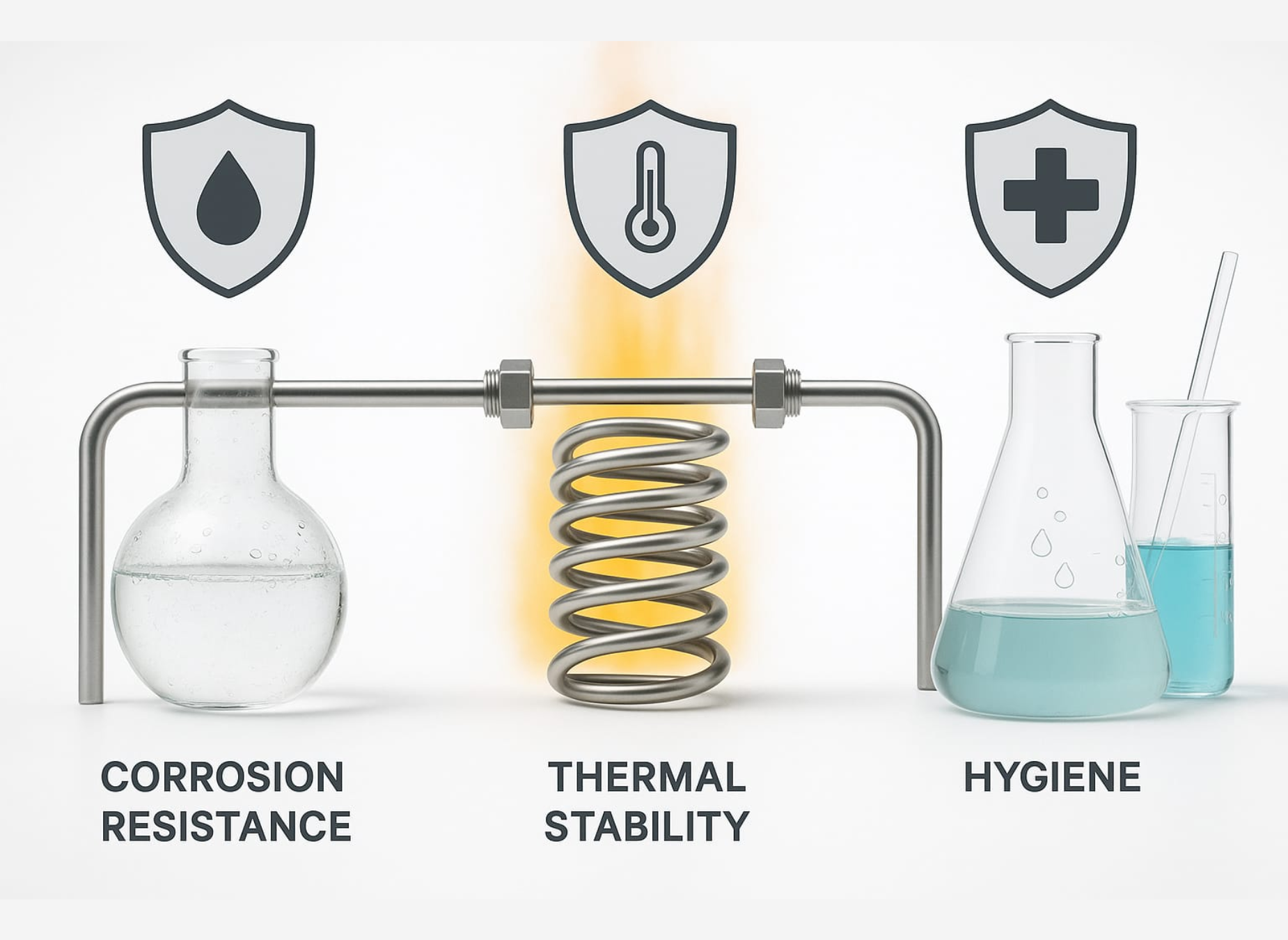
Appropriately selected stainless-steel surfaces can support cleaning and sterilization. Whether a complete assembly tolerates a particular process depends on all its materials and design; use manufacturer-approved methods and applicable validated procedures.
Stainless steel can provide useful strength and durability. Actual assembly strength and weight depend on the grade, dimensions and design; neither establishes an AP35-3 load rating.
The following examples concern general-purpose lift assemblies with stainless steel components. They do not establish that AP35-3 is a laboratory positioning stage, industrial lift, medical component or optical adjustment device.
In laboratory settings, precision lift assemblies allow for the accurate positioning of instruments, samples, or apparatus at specific heights. This capability is essential for consistent experimental conditions.
Manufacturing processes may use adjustable-height components for assembly, inspection or quality control. Material and design suitability must be assessed for the actual service conditions.
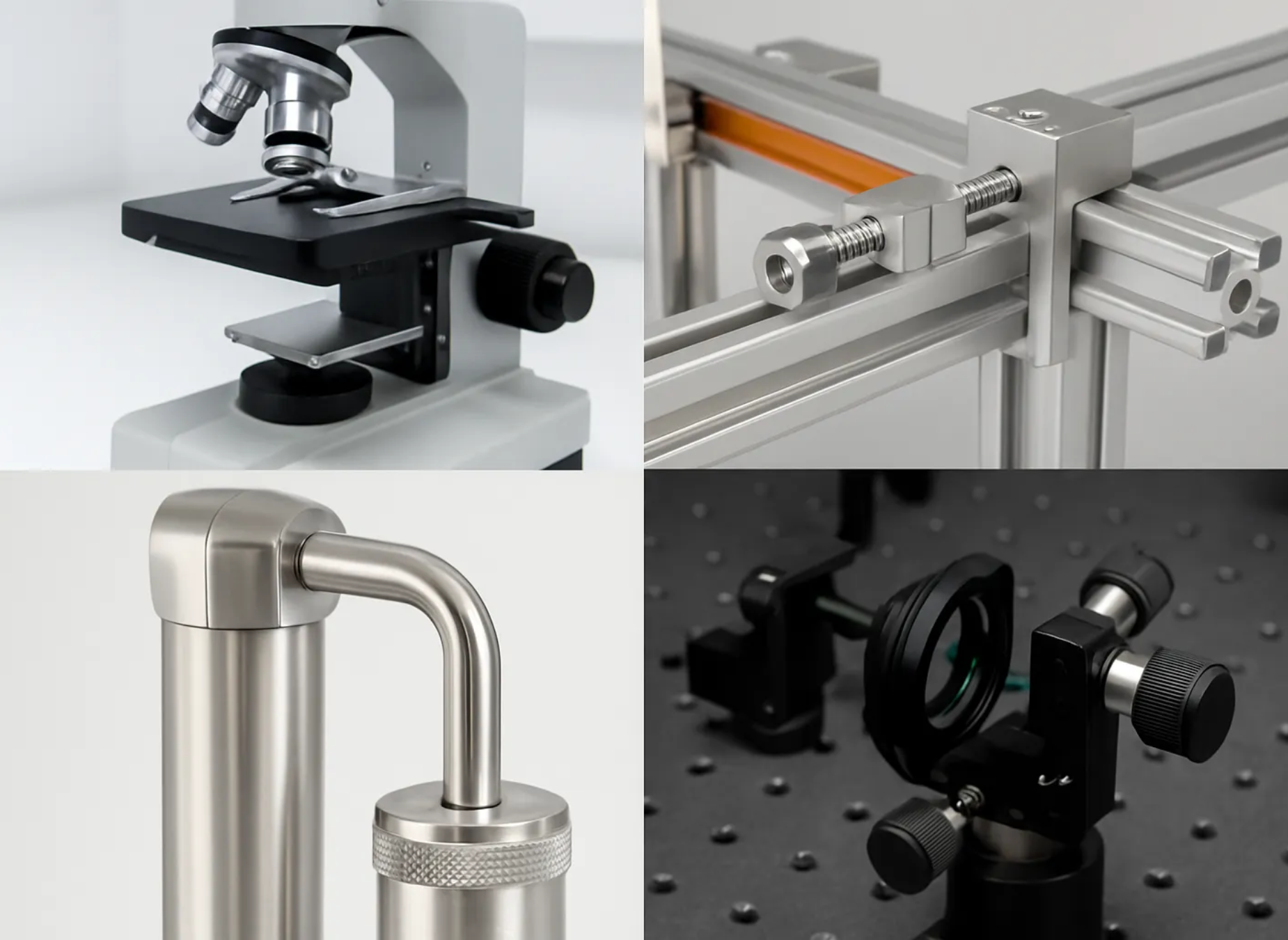
Some medical equipment uses lifting or positioning mechanisms. Suitability depends on the device design, materials, cleaning requirements and applicable validation; stainless steel alone does not establish sterility or medical suitability.
Precise height adjustment is crucial in optical systems where alignment and focus depend on the exact positioning of components relative to one another.
The following are specification categories to request where applicable. They are not measured AP35-3 values, and the movement-range and load-capacity categories may not describe this component:
For exact specifications of the AP35-3 Lift Assembly & SS Tube, please consult the product documentation from Applied Physics USA.
The following are general planning checks, not AP35-3 installation instructions. Obtain the exact procedure before work on the fogger, including required isolation and cryogenic precautions. Assess cold-contact and nitrogen-displacement hazards and the ventilation needed for the work.
Obtain the AP35-3 installation procedure from Applied Physics. Where that procedure authorizes assembly work, follow its requirements for:
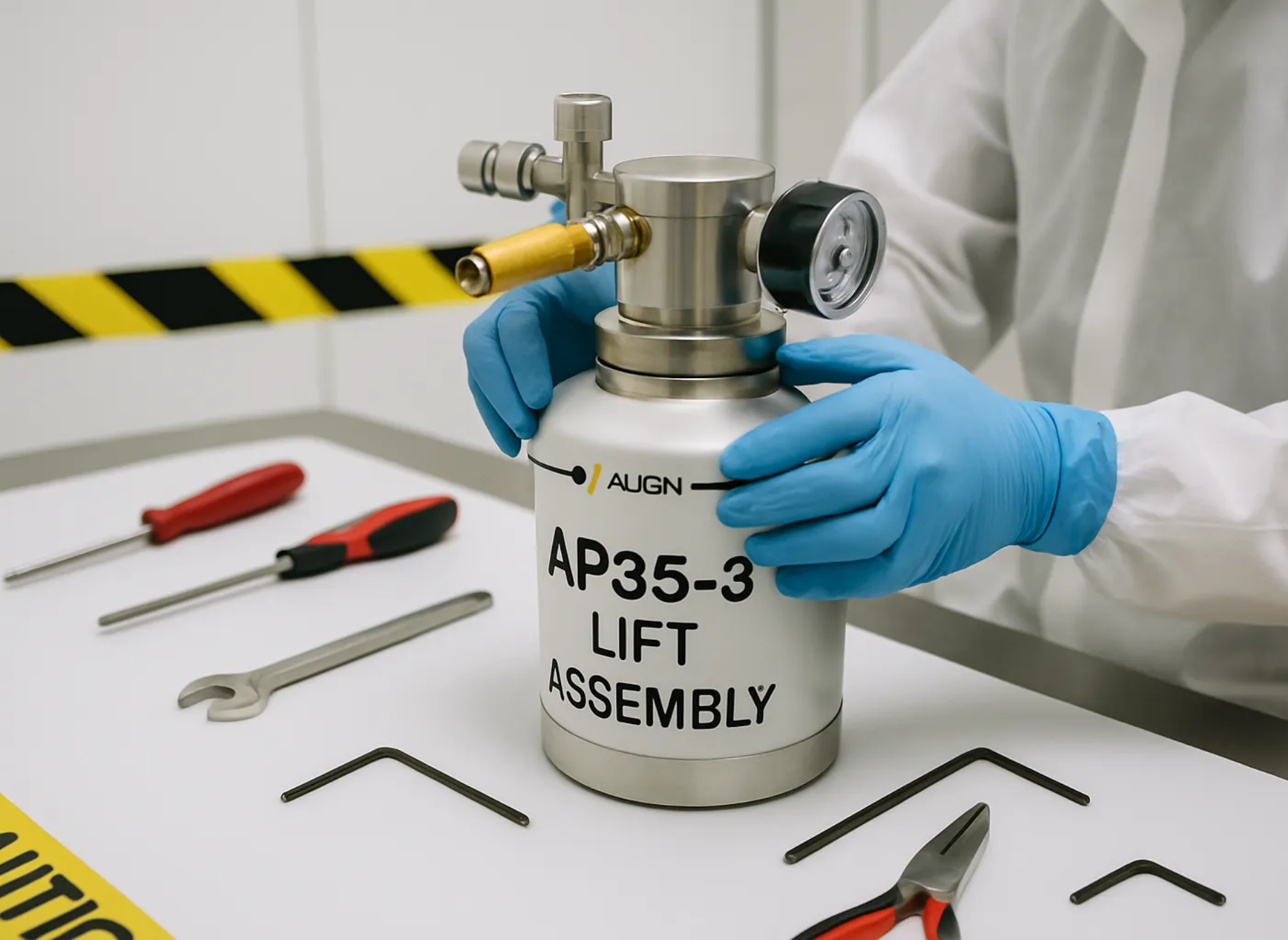
Perform only the checks specified for the actual assembly. Do not add positioning calibration or load testing merely because the product name includes “lift assembly.”
Example pump component | Possible material examples | Selection consideration |
|---|---|---|
Casing (Body) | Cast Iron / Stainless Steel | For strength and corrosion resistance |
Impeller | Bronze / Stainless Steel / Plastic | High durability and chemical compatibility |
Shaft | Stainless Steel | Check grade and service conditions; stainless steel is not universally rust-proof |
Shaft Seal / Gasket | Teflon (PTFE) / Viton / Rubber | Leak prevention, chemical resistance |
Bearings | Carbon / Stainless Steel | Smooth rotation and load handling |
O-Rings | EPDM / Nitrile Rubber | Sealing and chemical resistance |
Diaphragm (if any) | PTFE / Neoprene | Flexible and corrosion-resistant |
Valve Housing | Stainless Steel / Plastic (PVC) | Lightweight and corrosion-resistant |
Motor Housing | Aluminum / Cast Iron | For heat dissipation and strength |
Tubing (e.g., SS Tube) | Stainless Steel (SS 316/304) | Grade alone does not establish pressure rating, hygienic design or cleanroom suitability |
For a general-purpose lifting or positioning assembly, the following questions may help define requirements. Apply a question to AP35-3 only if its documented function makes it relevant:
General equipment requirements vary by setting; these examples do not certify AP35-3 for a particular application:
Use the manufacturer’s inspection procedure and the facility’s maintenance program. Inspect only the points and conditions authorized for the actual assembly:
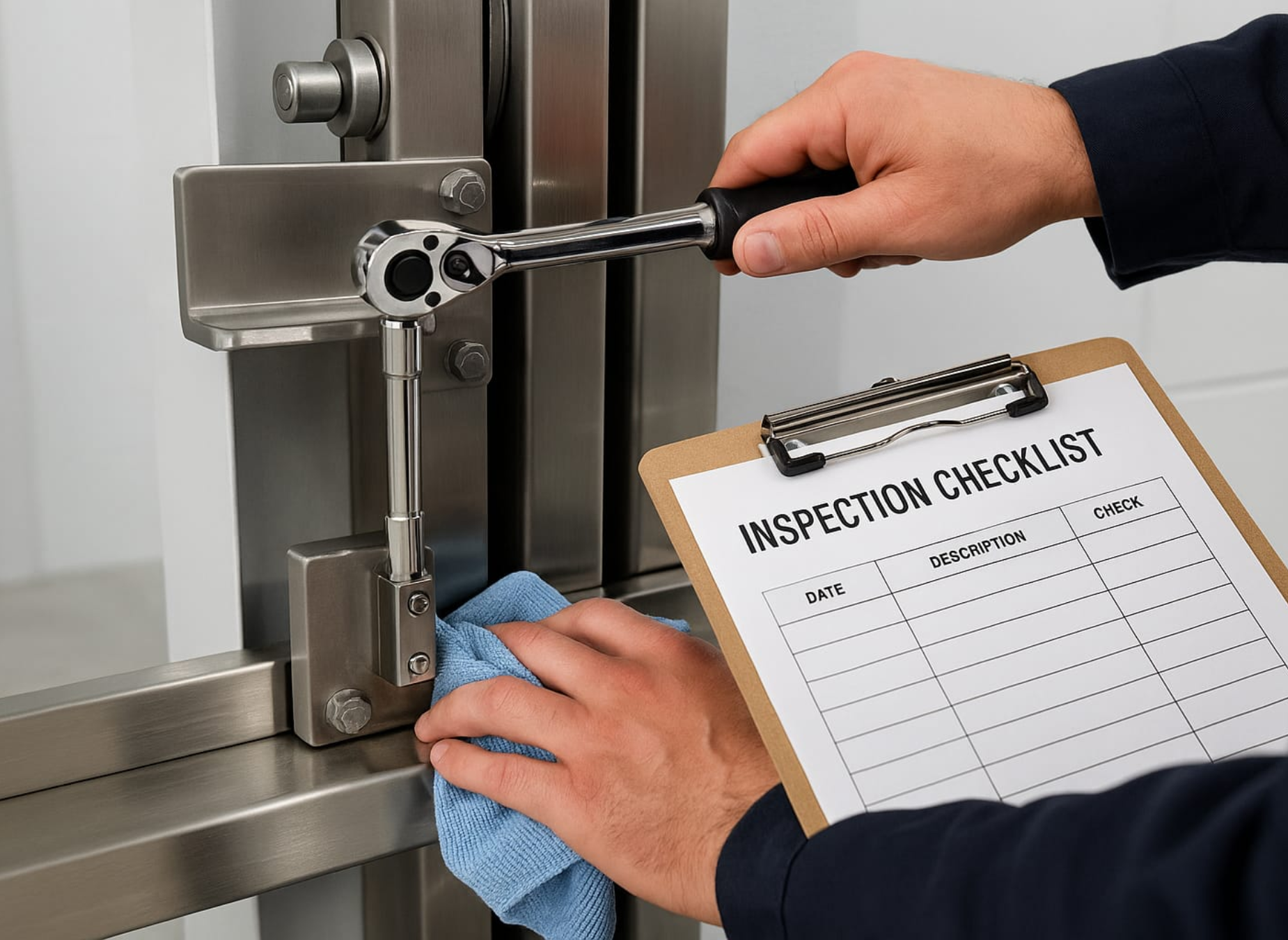
Cleaning chemistry and methods must be approved for the complete assembly, not selected from the tube material alone:
The observations below are prompts for investigation, not diagnoses of AP35-3 internal parts. Stop using an affected assembly and follow the equipment’s isolation and cryogenic-safety procedure before authorized service. Do not add lubricant, tighten unknown fittings, replace assumed bearings or apply surface treatments without the applicable instructions.
Observation | Information to record | Next step |
|---|---|---|
Irregular movement, if applicable | When it occurs, equipment state and any visible obstruction or damage | Do not force movement; obtain the approved inspection procedure |
Unusual noise | When the noise occurs and any associated operating change | Stop use and request diagnosis; do not assume lubrication is required |
Unexpected looseness | Location and visible condition without adjusting the assembly | Obtain the manufacturer’s fastening and service instructions |
Corrosion or surface deterioration | Location, appearance and recent exposure or cleaning history | Remove from service as appropriate and request assessment before surface treatment or reuse |
This guide separates general lift-assembly and stainless-steel considerations from AP35-3 details that require manufacturer confirmation. Obtain the component drawing, material specification, compatibility information and service instructions directly from Applied Physics before selecting or maintaining the part.
1. What maintenance schedule is typically recommended for stainless steel lift assemblies?
Follow the component manufacturer’s schedule and the facility’s risk-based procedures. Do not assign a quarterly or annual interval to AP35-3 without its service documentation.
2. Are stainless steel components suitable for cleanroom environments?
Stainless steel is commonly used in cleanrooms, but suitability depends on the alloy, finish, design, wear and cleaning process. The material alone does not establish low particle generation or compliance for an assembled component.
3. What factors most affect the lifespan of a lift assembly?
Usage frequency, load conditions, environmental factors, and maintenance adherence are the primary determinants of operational lifespan.
4. How is precision typically measured in lift assembly specifications?
For a positioning device, specifications may include accuracy and repeatability under stated conditions. These are general terms; no AP35-3 positioning specification is established here.
5. What safety features should be considered when selecting a lift assembly?
For general powered lifting equipment, relevant protections can include rated-load controls, stopping functions and stability measures. For AP35-3, follow the safeguards documented for its actual function and the associated fogger; do not assume it is a powered lifting platform.

Enter your details below to save your shopping cart for later. And, who knows, maybe we will even send you a sweet discount code :)
Allow notifications to get real-time updates about your shopping cart and who knows, you may even receive a sweet discount code 😊