What Is a CCS in GMP? A Practical Guide

CCS in GMP: Learn what a CCS is in GMP, how it controls contamination in sterile manufacturing, and why it’s critical for regulatory compliance.
How are airborne particulates reduced in semiconductor fabs?
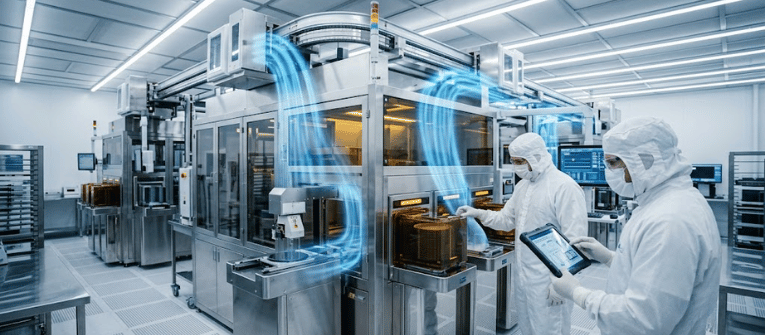
How are airborne particulates reduced in semiconductor fabs? In semiconductor fabrication, sub-micron particulate contamination directly impacts wafer yield and device reliability. Maintaining strict cleanroom standards requires continuous validation of unidirectional airflow vectors to eliminate localized turbulence. Ultrapure cleanroom foggers provide the visual evidence necessary to track air currents, detect dead zones, and ensure compliance with […]
The Science of Particle Purging: Why High-Velocity Air Showers Are Essential for Cleanrooms
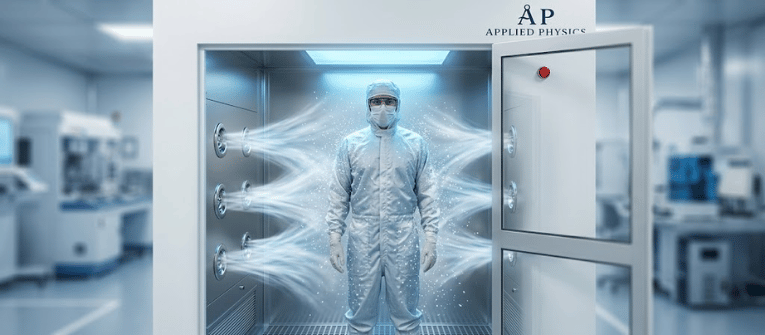
The Science of Particle Purging: Why High-Velocity Air Showers Are Essential for Cleanrooms Ultra-clean manufacturing, from semiconductor fabrication to pharmaceutical compounding, the greatest threat to product integrity is the human element. Even in full cleanroom garb, personnel carry microscopic particles that can compromise a sterile environment. This is where the science of particle purging via […]
Model particle re‑suspension in busy cleanroom environments to reduce defects
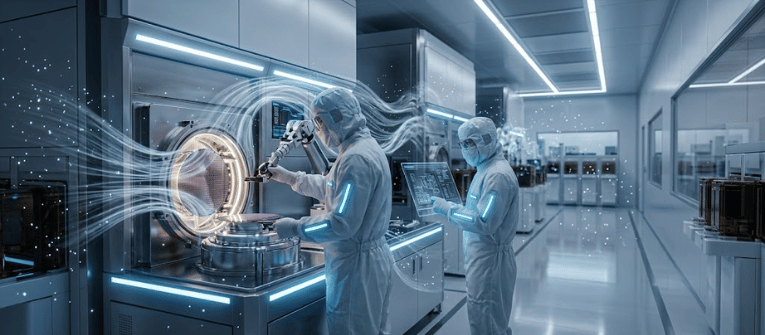
Model particle re‑suspension in busy cleanroom environments to reduce defects In the world of high-precision manufacturing spanning semiconductors, pharmaceuticals, and aerospace, the smallest invisible threat can lead to the greatest financial losses. While cleanrooms are designed to filter out airborne contaminants, a busy cleanroom introduces a dynamic variable that standard filtration often fails to capture: […]
The Physics of Particle Transport through Cleanroom Door Gaps
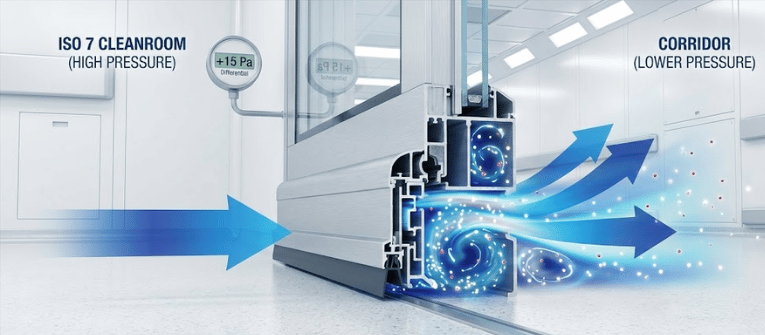
The Physics of Particle Transport through Cleanroom Door Gaps Understanding the intricate physics behind particle transport through cleanroom door gaps is essential for maintaining stringent ISO classification standards and protecting sensitive processes. Even microscopic openings can serve as conduits for contaminants, driven by complex fluid dynamics and pressure imbalances that challenge traditional containment strategies. This […]
Impact of Cleanroom Floor Porosity on Microbial Control
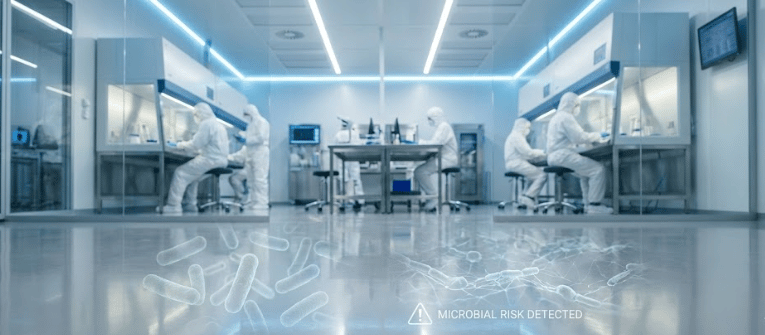
Impact of Cleanroom Floor Porosity on Microbial Control In the high-stakes world of pharmaceutical manufacturing, biotechnology, and microelectronics, the definition of clean goes far beyond the visible. While HEPA filters scrub the air and gowning protocols protect against human shedding, the largest surface in any controlled environment, the floor often faces the highest challenge. The […]
How to Assess HVAC Retrofit Success Using Cleanroom Foggers
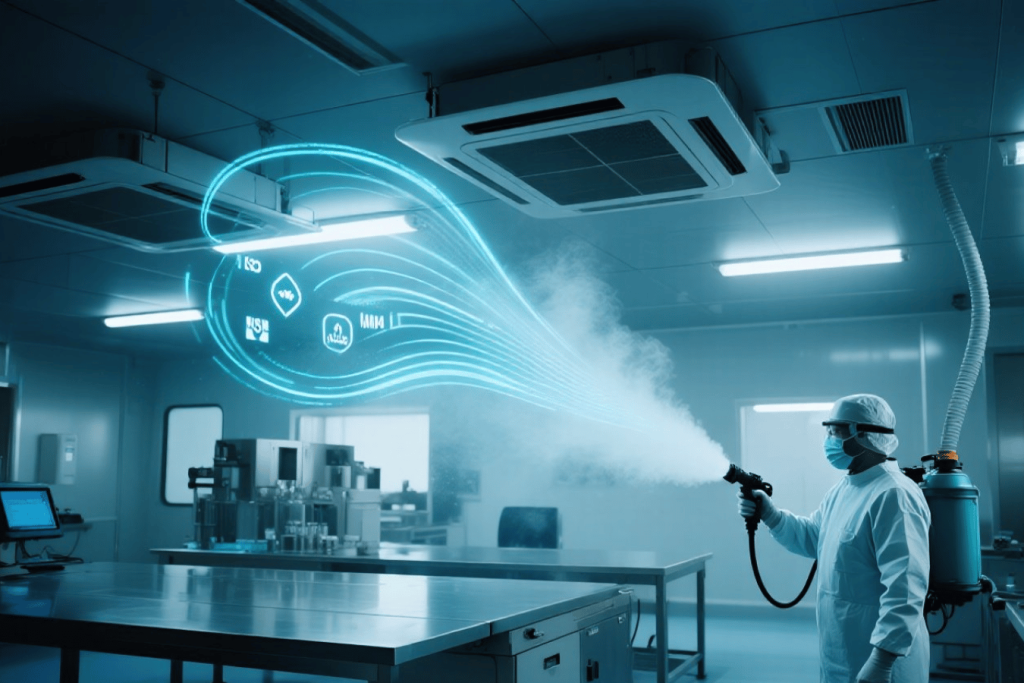
How to Assess HVAC Retrofit Success Using Cleanroom Foggers Retrofitting HVAC systems in cleanroom environments is a significant investment aimed at improving air quality, energy efficiency, and regulatory compliance. However, the true measure of success lies in the system’s ability to maintain stringent environmental controls post-retrofit. Facility managers and HVAC professionals must validate that the […]
How to Create a Cleanroom Contamination Control Plan That Works
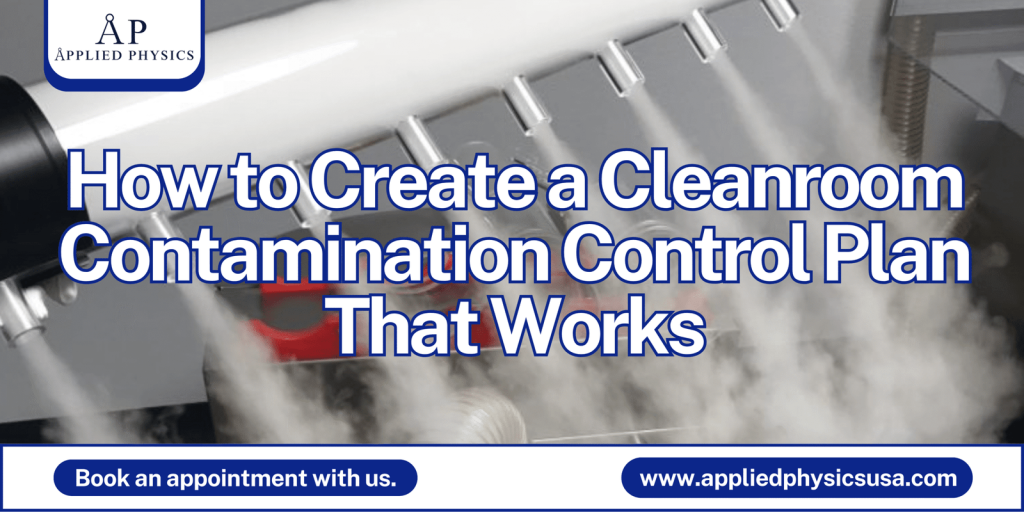
How to Create a Cleanroom Contamination Control Plan That Works In industries such as pharmaceuticals, biotechnology, electronics, and aerospace, the presence of even a single particle or microorganism can compromise the quality and safety of the final product, making a cleanroom contamination control plan essential. Contamination in a cleanroom environment can result in costly production […]
Mastering Particle Control: Tips Every Lab Should Know
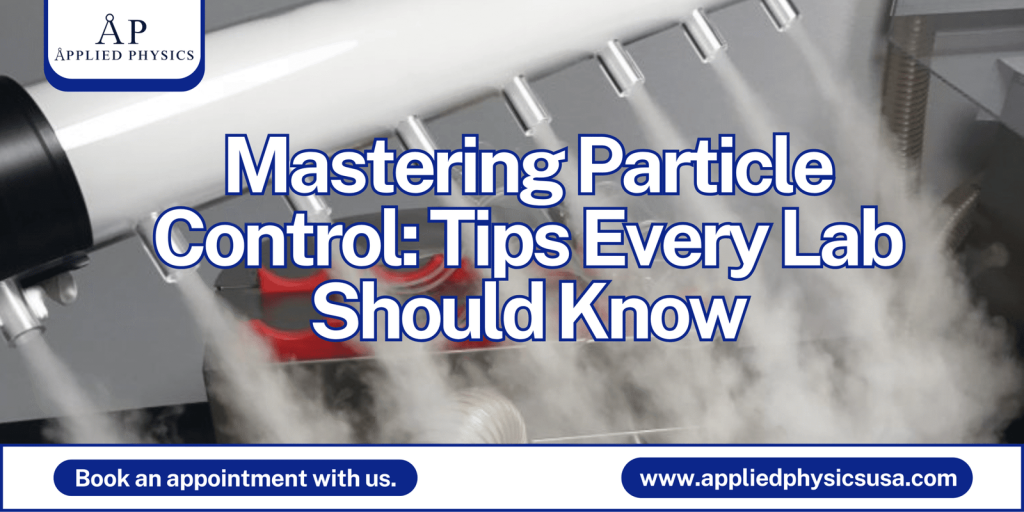
Mastering Particle Control: Tips Every Lab Should Know Particle control is a vital component of laboratory operations, as it has a direct impact on the quality and reliability of experimental results. In a laboratory setting, particles encompass a broad range of substances, including dust, microorganisms, and chemical contaminants. These particles can significantly affect the accuracy […]
Why Particle Counters Are Essential for Cleanroom Monitoring

Why Particle Counters Are Essential for Cleanroom Monitoring Maintaining a controlled environment is crucial in industries such as pharmaceuticals, biotechnology, electronics, and aerospace, and cleanroom monitoring is a vital component of this process. Particle counters are essential tools in cleanroom monitoring, providing real-time data on airborne particle levels. This article examines the significance of cleanroom […]