
Applied Physics Corporation’s 9000 Series Borosilicate Glass Particle Standards represent the gold standard in calibration materials for scientific and industrial applications.
These highly uniform glass microspheres provide researchers and quality control professionals with NIST-traceable standards essential for precise instrument calibration and consistent experimental results.
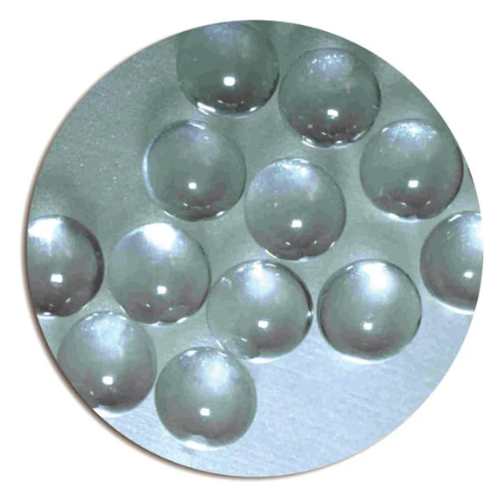
The comprehensive size range from 5μm to 2000μm makes these standards suitable for diverse applications across multiple industries, from microscopy to advanced materials research. Each particle size is meticulously calibrated using rigorous methodology to ensure exceptional reliability for critical measurement needs.
The 9000 Series standards are calibrated using Applied Physics’s NIST™-traceable microscopy methods, ensuring an unbroken chain of calibration to national standards.
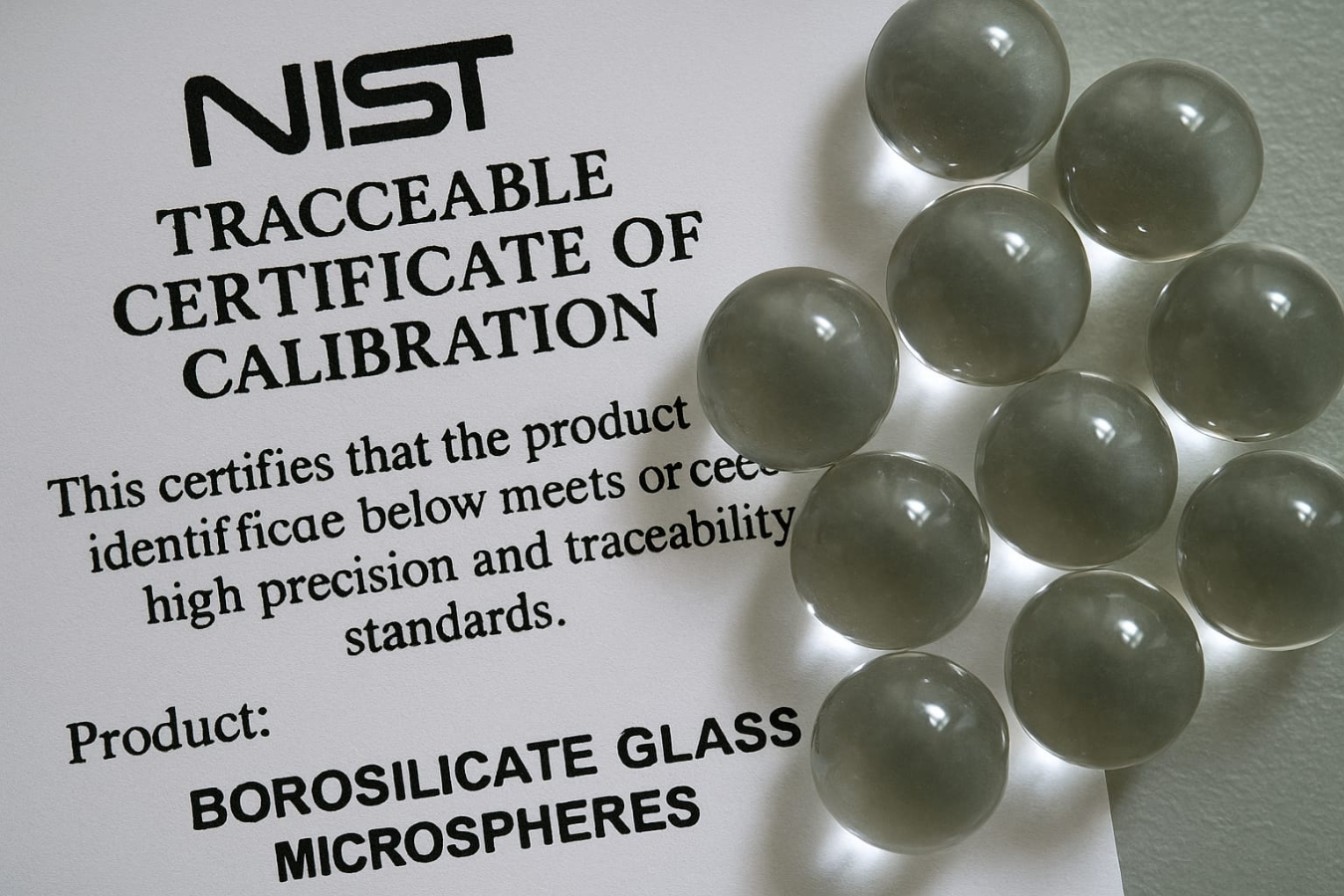
This traceability is essential for laboratories that need validated measurement protocols and documented quality assurance.
Each package includes a Certificate of Calibration and Traceability to NIST™, which provides:
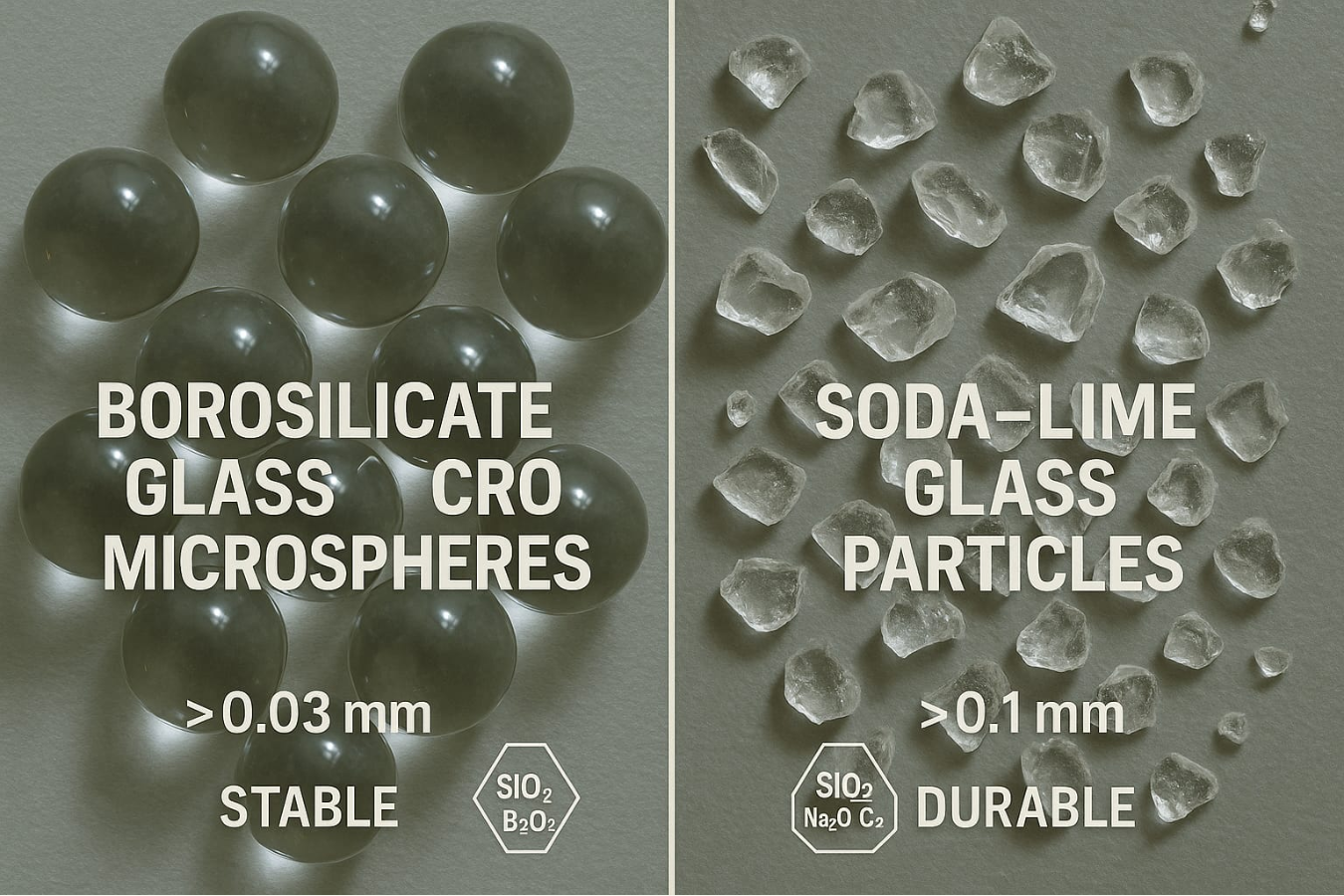
The spherical shape of these glass particles is specifically designed to reduce response variation in analytical systems, which can often be affected by irregularly shaped particles.
This attention to shape ensures that calibration relies on actual size parameters rather than errors caused by different shapes.
| Specification | Details |
|---|---|
| Material | High-purity Borosilicate Glass |
| Particle Size Range | 2 µm to 200 µm |
| Size Distribution | Monodisperse (narrow size distribution) |
| Shape | Spherical or near-spherical particles |
| Refractive Index | ~1.51 ± 0.01 |
| Density | ~2.23 g/cm³ |
| Chemical Resistance | High resistance to most acids and solvents |
| Thermal Stability | Can withstand high temperatures without deformation |
| Certifications | NIST traceable / Certificate of Analysis included |
| Packaging | Clean glass vial, sealed to avoid contamination |
| Applications | Instrument calibration, filtration testing, cleanroom validation, metrology |
| Shelf Life | 3+ years (under recommended storage conditions). |
The micro range utilizes borosilicate glass for applications requiring a higher refractive index and exceptional chemical stability:
| Part# | Nominal Size | Size Peak | Uniformity | Quantity | Price |
|---|---|---|---|---|---|
| AP9002 | 5μm (5 microns) | 5μm (5 microns) | (less than 20%) | 1 Gram | $522.50 |
| APCD9005 | 8μm (8 microns) | 8μm (8 microns) | (less than 20%) | 1 Gram | $522.50 |
| AP9008 | 15μm (15 microns) | 15μm (15 microns) | (less than 20%) | 1 Gram | $522.50 |
| AP9015 | 20μm (20 microns) | 20μm (20 microns) | (less than 20%) | 1 Gram | $522.50 |
The intermediate range uses soda lime glass for excellent optical properties and stability:
| Part# | Nominal Size | Size Peak | Uniformity | Quantity | Price |
|---|---|---|---|---|---|
| AP9020 | 30μm (30 microns) | 30μm (30 microns) | (less than 20%) | 1 Gram | $522.50 |
| AP9030 | 40μm (40 microns) | 40μm (40 microns) | (less than 20%) | 1 Gram | $522.50 |
| AP9040 | 50μm (50 microns) | 50μm (50 microns) | (less than 20%) | 1 Gram | $522.50 |
| AP9050 | 60μm (60 microns) | 60μm (60 microns) | (less than 20%) | 1 Gram | $522.50 |
| AP9060 | 70μm (70 microns) | 70μm (70 microns) | (less than 20%) | 1 Gram | $522.50 |
| AP9070 | 80μm (80 microns) | 80μm (80 microns) | (less than 20%) | 1 Gram | $522.50 |
| AP9080 | 90μm (90 microns) | 90μm (90 microns) | (less than 20%) | 1 Gram | $522.50 |
| AP9090 | 100μm (100 microns) | 100μm (100 microns) | (less than 20%) | 1 Gram | $522.50 |
| AP9100 | 110μm (110 microns) | 110μm (110 microns) | (less than 20%) | 1 Gram | $522.50 |
| AP9110 | 120μm (120 microns) | 120μm (120 microns) | (less than 20%) | 1 Gram | $522.50 |
| AP9120 | 130μm (130 microns) | 130μm (130 microns) | (less than 20%) | 1 Gram | $522.50 |
| AP9140 | 140μm (140 microns) | 140μm (140 microns) | (less than 20%) | 1 Gram | $522.50 |
| AP9170 | 170μm (170 microns) | 170μm (170 microns) | (less than 20%) | 1 Gram | $522.50 |
| AP9200 | 200μm (200 microns) | 200μm (200 microns) | (less than 20%) | 1 Gram | $522.50 |
The macro range offers larger soda lime glass particles for specialized applications:
| Part# | Nominal Size | Size Peak | Uniformity | Quantity | Price |
|---|---|---|---|---|---|
| AP9230 | 230μm (230 microns) | 230μm (230 microns) | (Less than 20%) | 1 gram | $522.50 |
| AP9280 | 280μm (280 microns) | 280μm (280 microns) | (Less than 20%) | 1 gram | $522.50 |
| AP9330 | 330μm (330 microns) | 330μm (330 microns) | (Less than 20%) | 1 gram | $522.50 |
| AP9400 | 400μm (400 microns) | 400μm (400 microns) | (Less than 20%) | 1 gram | $522.50 |
| AP9480 | 480μm (480 microns) | 480μm (480 microns) | (Less than 20%) | 1 gram | $522.50 |
| AP9550 | 550μm (550 microns) | 550μm (550 microns) | (Less than 20%) | 1 gram | $522.50 |
| AP9650 | 650μm (650 microns) | 650μm (650 microns) | (Less than 20%) | 1 gram | $522.50 |
| AP9750 | 750μm (750 microns) | 750μm (750 microns) | (Less than 20%) | 1 gram | $522.50 |
| AP9950 | 950μm (950 microns) | 950μm (950 microns) | (Less than 20%) | 1 gram | $522.50 |
| AP91000 | 1000μm (1000 microns) | 1000μm (1000 microns) | (Less than 20%) | 1 gram | $522.50 |
| AP92000 | 2000μm (2000 microns) | 2000μm (2000 microns) | (Less than 20%) | 1 gram | $522.50 |
These glass particle standards are mostly used for calibrating:
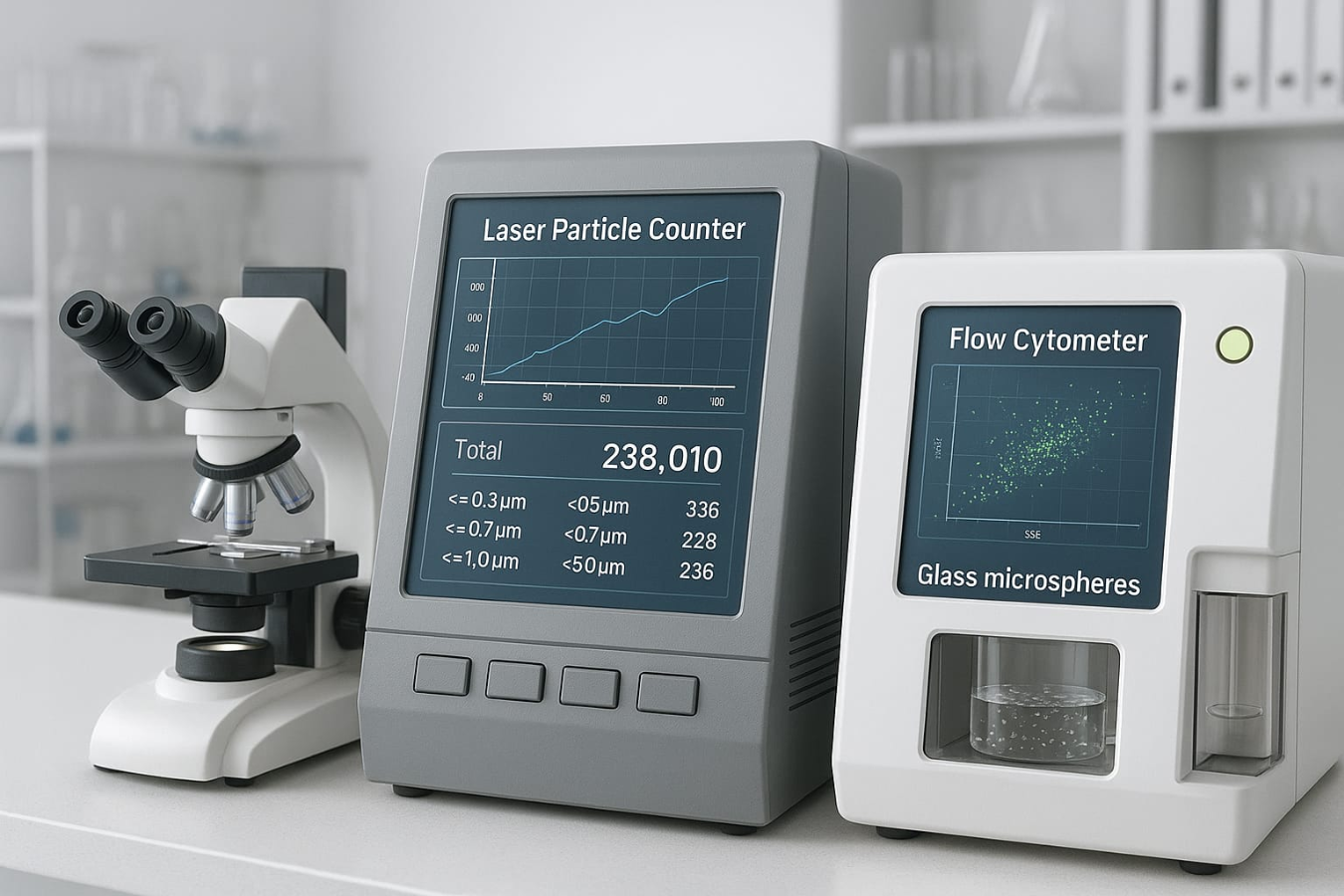
Proper calibration maintains measurement accuracy across all instruments and laboratories, making reproducible research and quality control possible.
Researchers in materials science use these standards for:
Because of their uniform particle size, these standards are ideal for:
In industrial settings, these standards are used as:
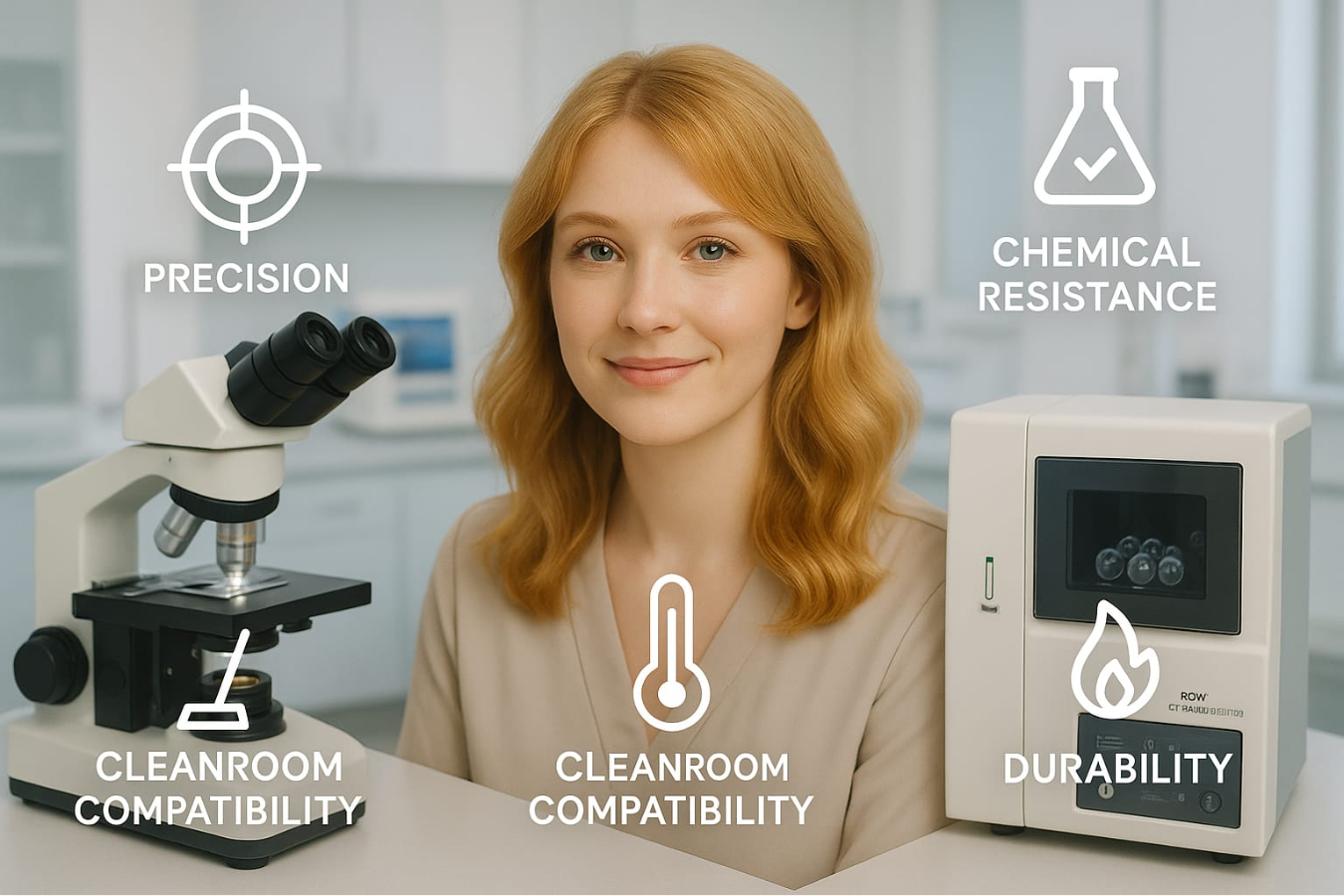
While polystyrene particles are commonly used for calibration, glass microspheres offer significant advantages:
| Feature | Glass Microspheres | Polystyrene Microspheres |
|---|---|---|
| Chemical Resistance | Excellent resistance to solvents and reagents | Can degrade in many organic solvents |
| Thermal Stability | Remain stable at higher temperatures | Limited temperature range |
| Mechanical Durability | Highly resistant to deformation | Can be easily deformed |
| Optical Properties | Stable refractive index | Can absorb certain wavelengths |
| Long-term Stability | Very minimal degradation over time | May degrade with extended storage. |
Glass microspheres offer some environmental benefits, including:
The calibration of 9000 Series Glass Particle Standards is a highly precise and controlled process. These particles are of fixed, certified sizes and are used to test the accuracy of scientific instruments such as microscopes, laser particle counters, and calibration systems.
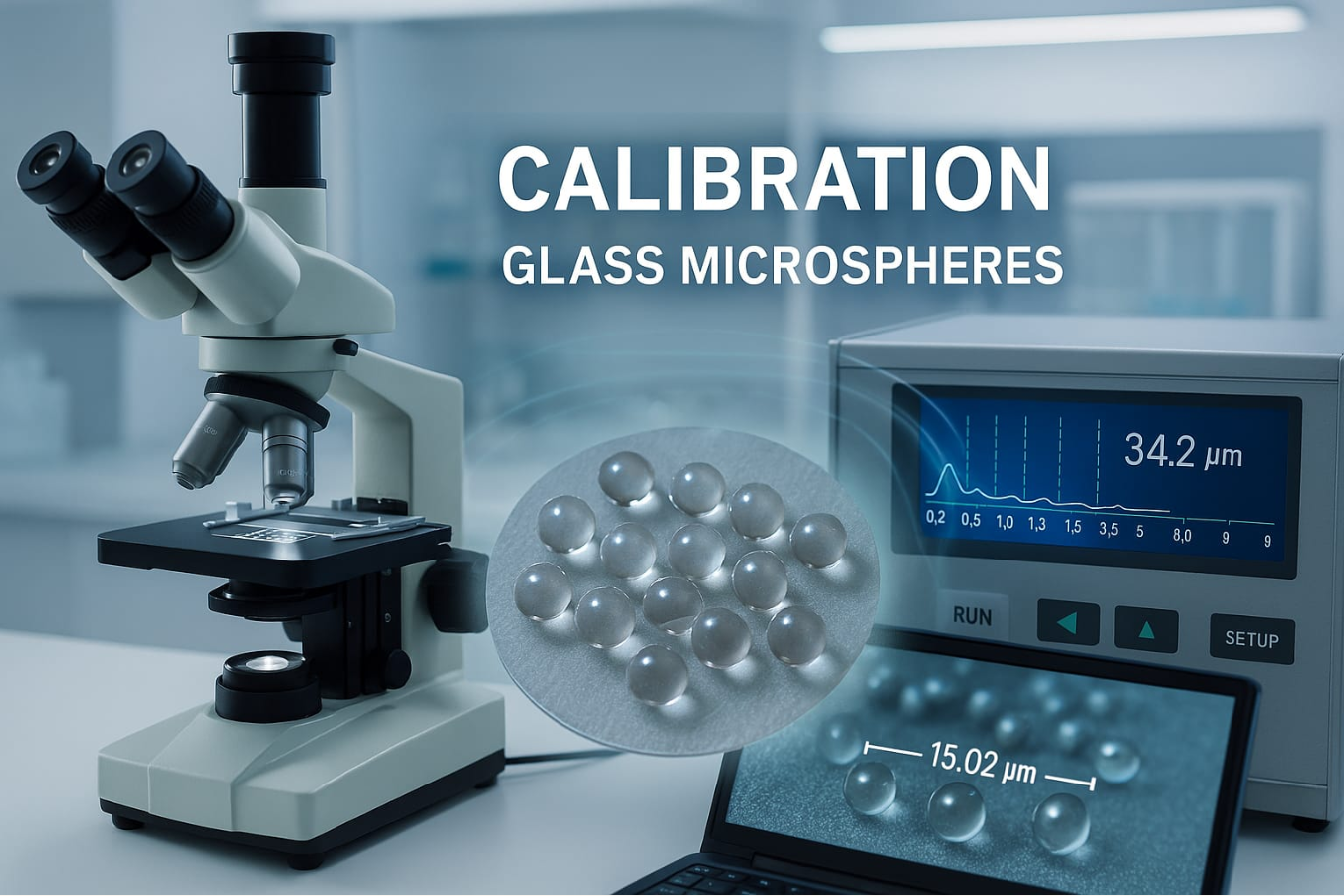
The particle sample is introduced into the test setup during calibration, and the measured results are compared with the certified size standard. If the values match, the instrument is considered properly calibrated. These particles also come with a NIST-traceable certificate, making every measurement reliable and internationally recognized
To maintain the quality of your glass particle standards:
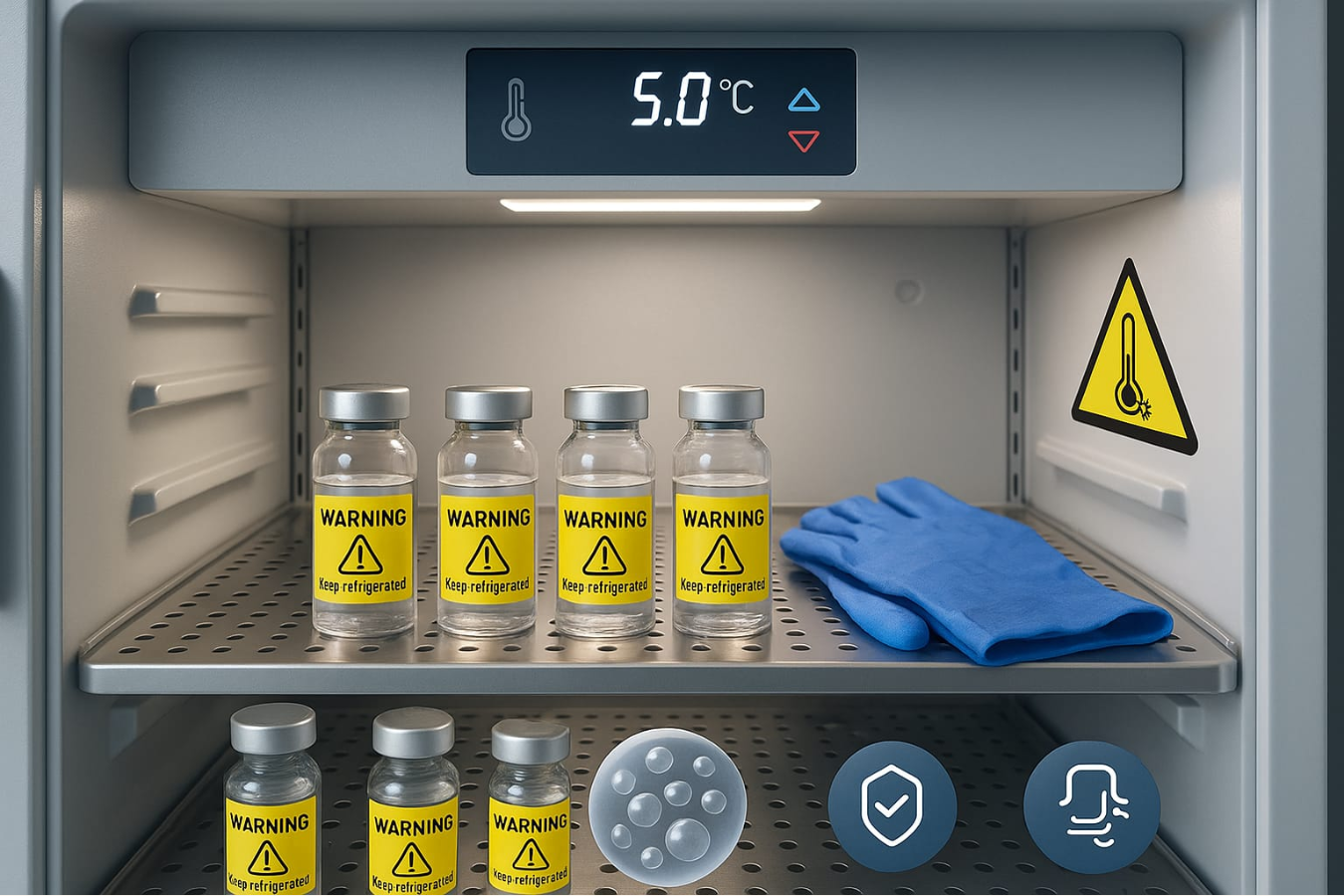
For best results when using the standards:
To achieve the best calibration:
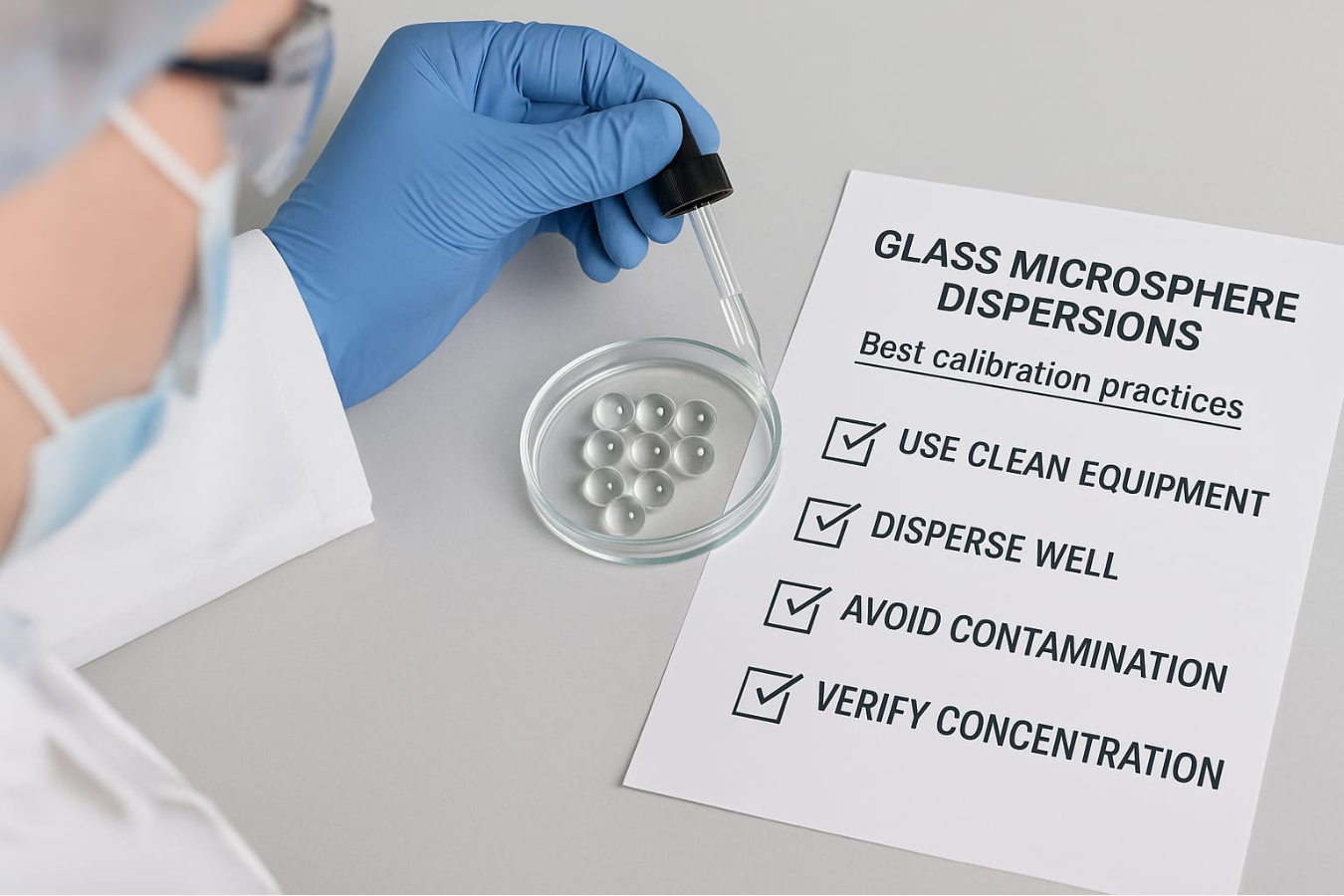
Get more value from your glass particle standards:
Applied Physics Corporation’s 9000 Series Borosilicate Glass Particle Standards offer precise, NIST-traceable calibration with exceptional uniformity and reliability. With a wide size range from 5μm to 2000μm, these microspheres ensure accurate, repeatable results for both scientific research and industrial applications — all backed by certified quality and expert support.
For bulk orders, technical inquiries, or to request a full specification sheet, contact our support team today:
What are 9000 Series Borosilicate Glass Particle Standards used for?
9000 Series Borosilicate Glass Particle Standards are highly uniform glass microspheres used primarily for the calibration of microscopes, light scattering instruments, and other particle-measuring equipment. They are also utilized in laser light scattering studies, colloidal systems research, and precision spacer applications where uniform bond thickness is needed.
What sizes and materials are available in the 9000 Series?
The 9000 Series offers particle standards from 5μm to 2000μm. Sizes from 2μm to 20μm are made from borosilicate glass, while sizes from 30μm to 2000μm are made from soda lime glass.
What is the uniformity and calibration standard for these glass spheres?
Each batch is calibrated using NIST™-traceable microscopy methods to ensure high accuracy. The size uniformity is less than 20% for all products, and optical microscopy is used to measure the size distribution and uniformity.
Why choose glass microspheres over polystyrene particles?
Glass microspheres provide better chemical and solvent resistance and offer greater mechanical and thermal stability compared to polystyrene spheres. This makes them ideal for demanding sample conditions.
What documentation is included with each purchase?
Each package comes with a Certificate of Calibration and Traceability to NIST™, a detailed explanation of the calibration method, its uncertainty, a table of chemical and physical properties, and a Material Safety Data Sheet with handling and disposal instructions.
APPLIED PHYSICS TECHNICAL RESOURCE
Wafer inspection, SSIS calibration, particle deposition references, process control and semiconductor measurement workflows. Product and standards references should be interpreted for the actual instrument, facility, protocol and configuration.

Enter your details below to save your shopping cart for later. And, who knows, maybe we will even send you a sweet discount code :)
Allow notifications to get real-time updates about your shopping cart and who knows, you may even receive a sweet discount code 😊