
Molecular diagnostics depends on consistent, accurate liquid handling.
Even small differences in dispensed volume can affect PCR efficiency, Ct values, library preparation, and overall assay reproducibility.
Fixed-volume pipettes address this challenge directly by removing one of the most common sources of pipetting error.
Why Precise Liquid Handling Matters in Molecular Diagnostics
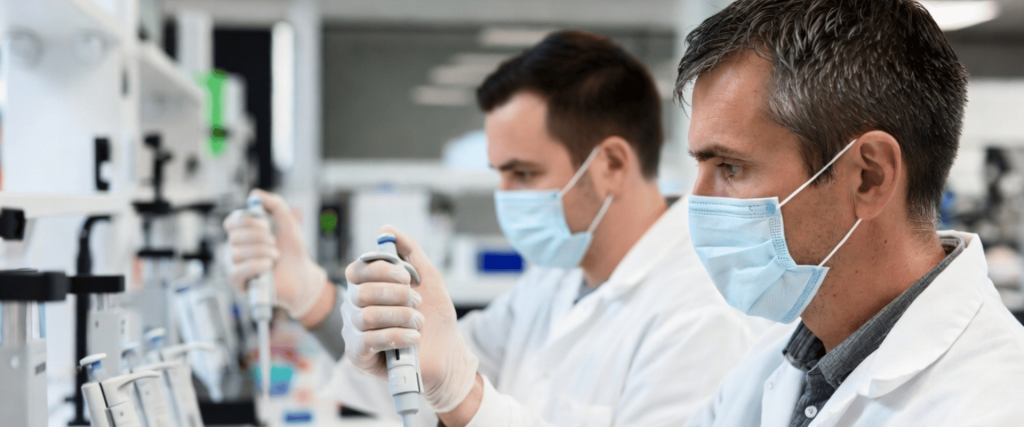
In molecular workflows, technicians often pipette the same volume hundreds of times per day. Techniques such as master mix preparation, sample dilution, and reagent addition require tight control. When volume varies between operators or across runs, it introduces unwanted variation in reaction conditions. This can lead to higher coefficients of variation (CV), inconsistent results, and the need for repeat testing.
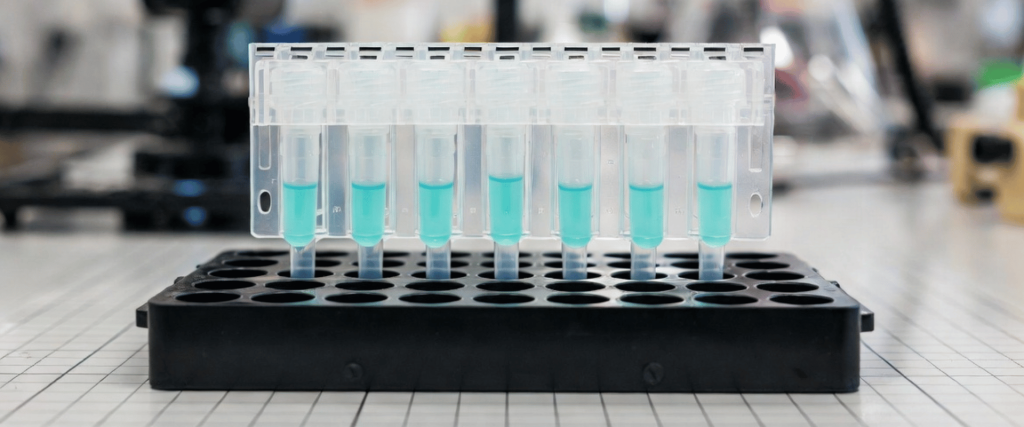
Studies on manual pipetting show that operator technique and volume-setting errors contribute significantly to assay variability. In regulated diagnostic environments, reducing these variables improves data quality and supports compliance with quality standards.
What Are Fixed-Volume Pipettes?
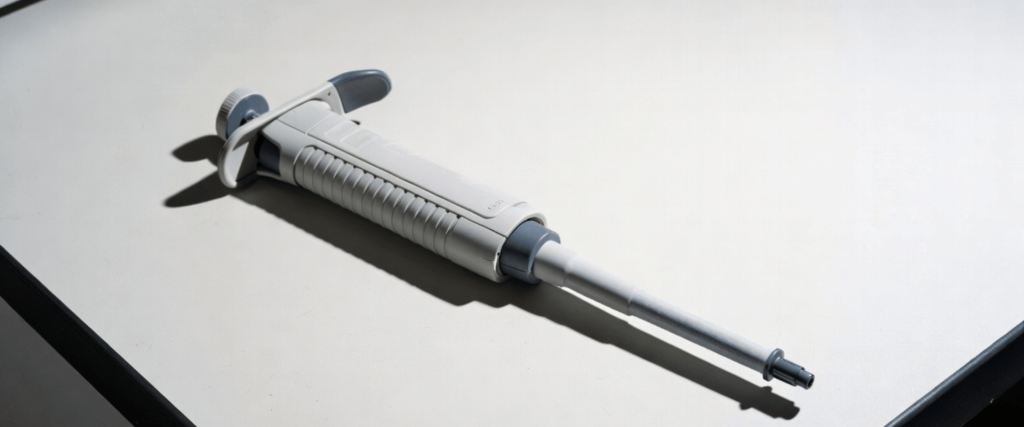
Fixed-volume pipettes are designed to deliver one specific volume with every use. Unlike variable-volume models, they have no mechanism to adjust the dispensed amount. The volume is set during manufacturing and calibration.
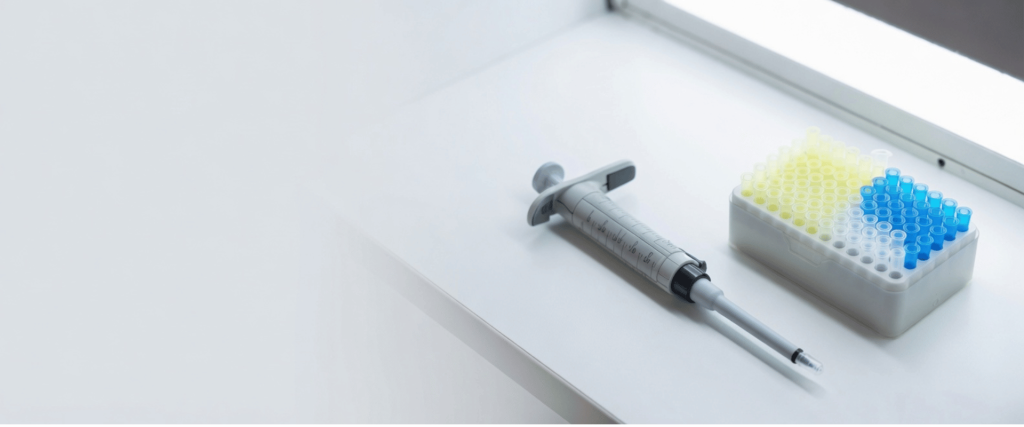
This design offers several practical advantages in diagnostic laboratories.
- No risk of accidental volume change during repetitive work
- Simpler mechanical construction with fewer moving parts
- Easier to maintain consistent performance across multiple users
- Faster operation when the same volume is required repeatedly
These characteristics make fixed-volume pipettes especially suitable for standardized protocols common in molecular diagnostics.
How Fixed-Volume Pipettes Reduce Sources of Error
Fixed-volume pipettes lower variance through several mechanisms.
1) Elimination of volume-setting mistakes
Operators cannot accidentally select the wrong volume. This removes a frequent cause of pipetting error in busy labs.
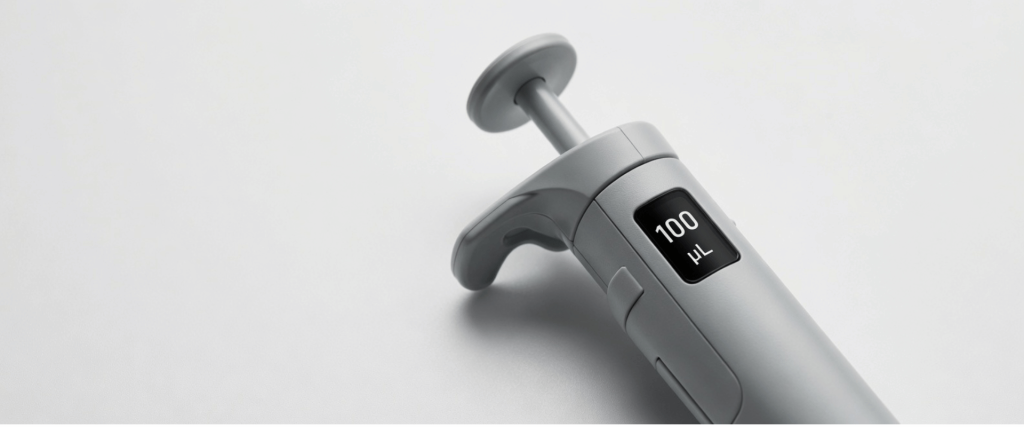
2) Consistent piston stroke
The mechanical stop is fixed, so the distance the piston travels remains the same every time. This produces more repeatable aspiration and dispensing.
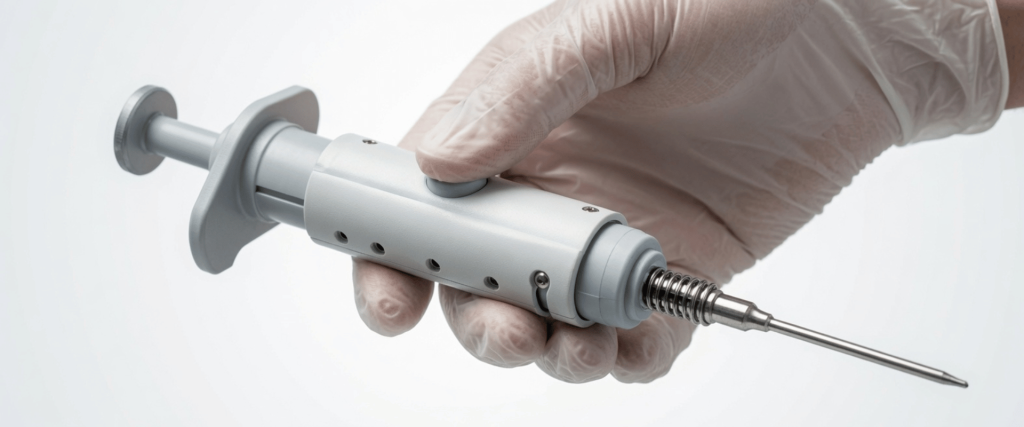
3) Reduced operator-to-operator differences
Different technicians using the same pipette deliver nearly identical volumes, improving reproducibility across shifts and teams.
4) Lower risk of calibration drift in daily use
Because there is no volume-adjustment dial, there are fewer opportunities for the pipette to go out of specification during routine handling.
5) Better support for validated SOPs
Many molecular diagnostic laboratories use fixed volumes in their standard operating procedures. Fixed-volume pipettes align naturally with these locked protocols.

When combined with proper technique and regular calibration, these pipettes help keep assay CV within acceptable limits for sensitive molecular tests.
Typical Performance of Quality Fixed-Volume Pipettes
Reputable fixed-volume pipettes are calibrated according to ISO 8655. The table below shows representative accuracy and precision data for common volumes used in molecular diagnostics.
| Nominal Volume | Systematic Error (Accuracy) | Random Error (Precision) |
|---|---|---|
| 5 µL | ±0.4% (±0.02 µL) | ±0.4% (±0.02 µL) |
| 10 µL | ±0.5% (±0.05 µL) | ±1.1% (±0.11 µL) |
| 20 µL | ±0.5% (±0.10 µL) | ±0.4% (±0.08 µL) |
| 100 µL | ±0.3% (±0.30 µL) | ±0.9% (±0.90 µL) |
| 200 µL | ±0.3% (±0.60 µL) | ±0.1% (±0.20 µL) |
| 1000 µL | ±0.3% (±3.0 µL) | ±0.1% (±1.0 µL) |
These specifications demonstrate that well-made fixed-volume pipettes can achieve low error rates, particularly at volumes commonly used in PCR setup and sample preparation.
Practical Advantages in Diagnostic Laboratories
Diagnostic labs value tools that support both accuracy and workflow efficiency. Fixed-volume pipettes deliver on both fronts.
- They speed up repetitive tasks without sacrificing precision.
- Their simpler design often makes them more durable under daily use and easier to autoclave for contamination control.
- Many models include calibration tools and maintenance accessories, allowing in-house verification between scheduled calibrations.
- They integrate well with electronic documentation systems because the volume is fixed and documented in the SOP.
Laboratories running high volumes of molecular tests often standardize on fixed-volume pipettes for critical steps to maintain tight control over assay performance.
Conclusion
Fixed-volume pipettes reduce variance in molecular diagnostics by removing volume-setting errors and delivering consistent performance across users and runs.
Their straightforward design supports standardized protocols and helps laboratories maintain acceptable CV levels in sensitive assays.
When selected and maintained properly, they become a reliable part of any molecular diagnostics workflow that prioritizes reproducibility and data quality.
Frequently Asked Questions (FAQs)
1. Why are fixed-volume pipettes preferred for repetitive molecular diagnostic work?
They eliminate the chance of setting the wrong volume and provide more consistent results between different operators performing the same task repeatedly.
2. How do fixed-volume pipettes compare to variable-volume models in terms of precision?
For dedicated volumes used in validated protocols, fixed-volume pipettes often show better day-to-day and operator-to-operator reproducibility because no adjustment mechanism can introduce variability.
3. Are fixed-volume pipettes suitable for all molecular diagnostic applications?
They work best when the same volume is pipetted many times. For workflows that require frequent volume changes, variable-volume pipettes remain useful. Many labs use both types depending on the specific step.
4. How often should fixed-volume pipettes be calibrated?
Calibration frequency depends on laboratory policy, usage intensity, and regulatory requirements. Many diagnostic labs follow ISO 8655 guidelines and perform checks at defined intervals, often every 3 to 12 months, with interim performance verification as needed.
5. Do fixed-volume pipettes help reduce contamination risk in molecular labs?
Many models are designed so that the lower part can be autoclaved. This supports proper decontamination procedures between uses, which is important when handling nucleic acid samples.