
Laboratory water purification systems like the ELGA PURELAB Maxima rely on a final UV stage to maintain ultrapure water quality.
The UV electronic ballast plays a critical role in this process by powering and controlling the germicidal UV lamp. When the ballast begins to fail, water quality can suffer even if the lamp itself still looks functional.
This article outlines the practical signs that indicate your ELGA PURELAB Maxima UV electronic ballast (legacy part MAXIMA/L) needs replacement.
How the UV System Works in ELGA PURELAB Maxima
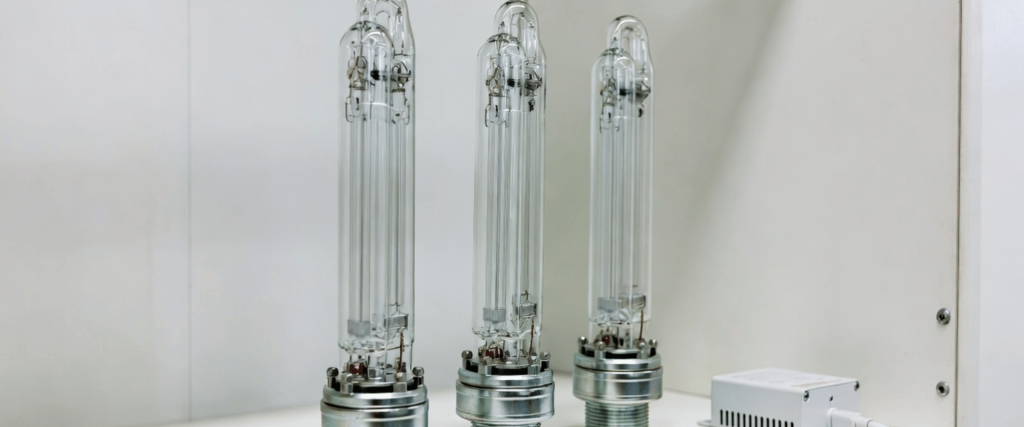
ELGA PURELAB Maxima systems use a 254 nm UV lamp at the final polishing stage. This lamp inactivates bacteria and reduces total organic carbon (TOC) in the purified water.
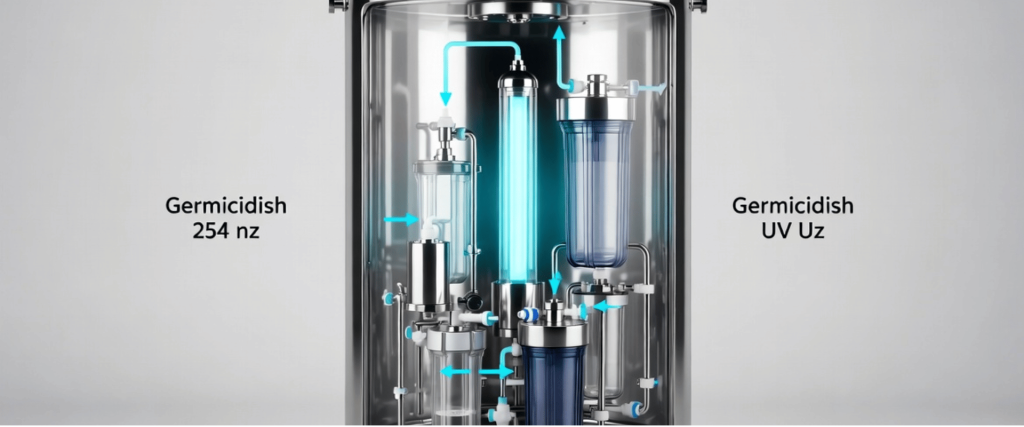
The electronic ballast supplies the correct starting voltage and then maintains a stable operating current to the lamp. Without a properly functioning ballast, the UV lamp cannot deliver consistent disinfection performance.
Common Signs Your UV Electronic Ballast Is Failing
Watch for these indicators during routine operation and maintenance.
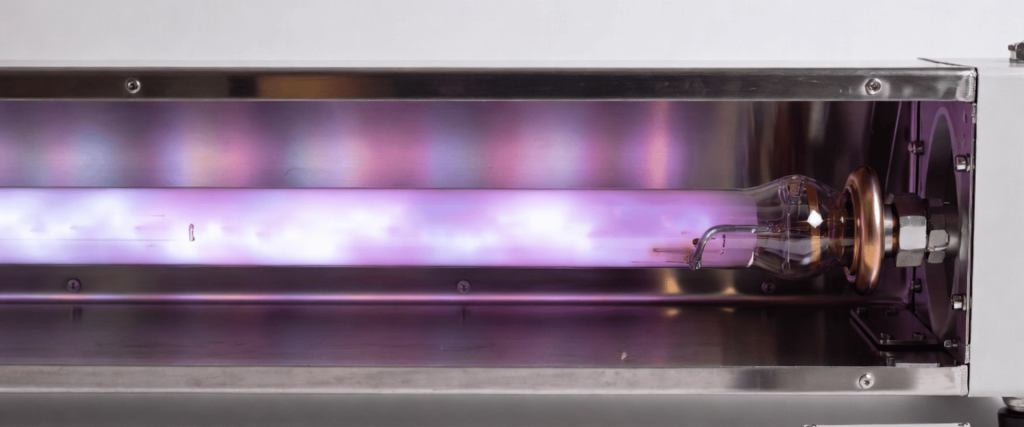
1) UV lamp fails to ignite or starts inconsistently
The lamp may flicker, take a long time to turn on, or fail to light at all, even when the system calls for UV operation.
2) The system shows UV-related alarms or error messages
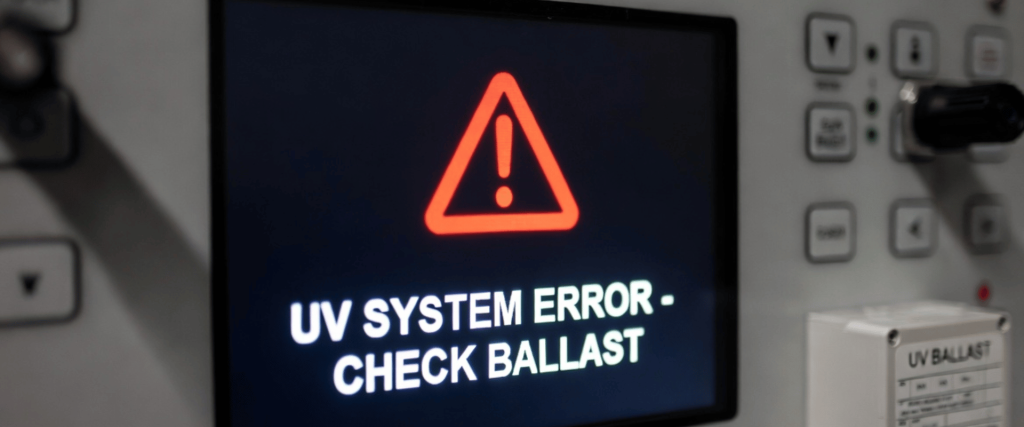
The control panel may display low UV intensity warnings, UV fault alerts, or lamp failure notifications.
3) UV intensity readings drop below acceptable levels
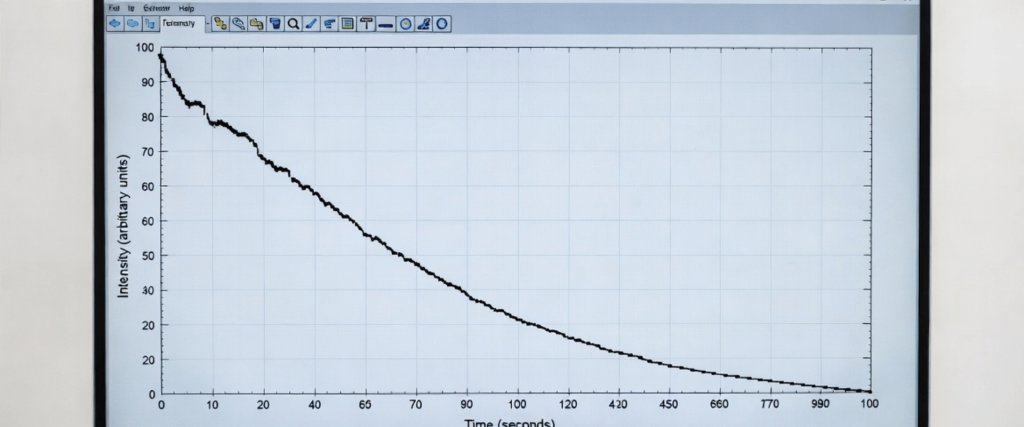
If your system monitors UV output, consistently low readings despite a relatively new lamp often point to ballast issues rather than the lamp itself.
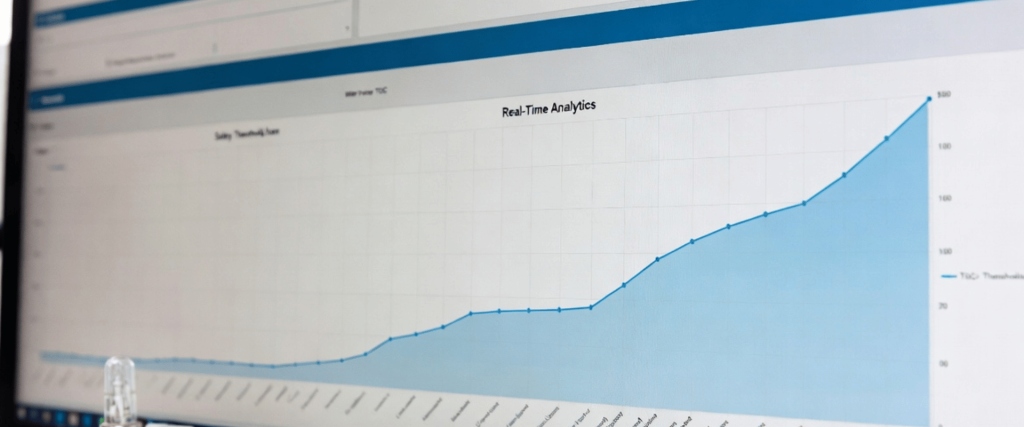
4) Water quality parameters begin to drift
Rising bacterial counts or unexpected increases in TOC can occur when UV performance declines.
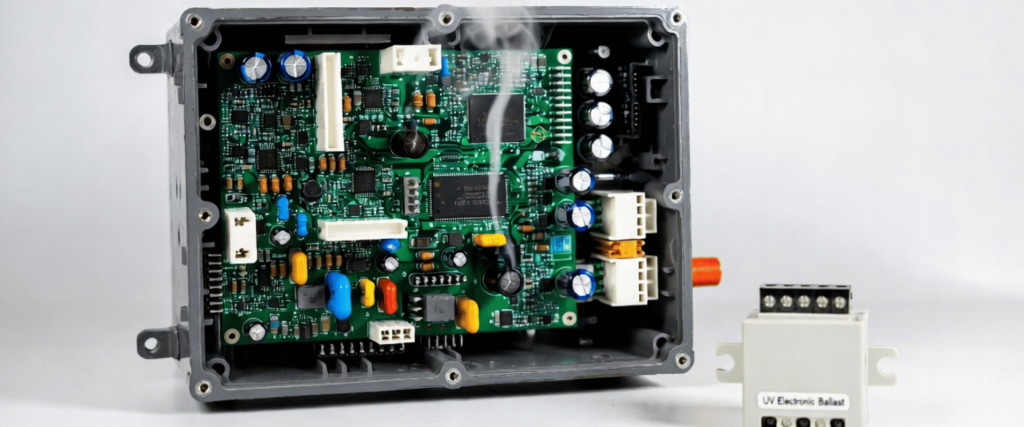
5) Visible or audible signs from the ballast area
Buzzing, humming, or a burning smell near the ballast housing are clear warning signs of internal component failure.
6) Frequent lamp replacements without improvement
If new UV lamps still underperform or fail quickly, the ballast is likely not supplying stable power.
Symptom Comparison Table
| Symptom | Most Likely Cause | Recommended First Action |
|---|---|---|
| UV lamp will not turn on | Failed ballast or poor connection | Check connections; test with known good ballast if available |
| Low UV intensity alarm | Degraded ballast output | Measure lamp current if possible; replace ballast |
| Lamp flickers or cycles on/off | Unstable ballast power supply | Replace ballast |
| Rising bacteria in final product water | Reduced UV dose | Verify lamp age and ballast performance |
| Burning smell or unusual noise | Internal ballast component failure | Shut down system and replace ballast immediately |
| Error code related to UV or lamp | Ballast or lamp communication issue | Refer to ELGA service manual; test ballast |
Why Timely Ballast Replacement Matters
A failing ballast reduces the actual UV dose delivered to the water. This compromises bacterial control and can lead to non-compliance with internal water quality standards or regulatory requirements in pharmaceutical, clinical, and research laboratories.
Replacing the ballast before complete failure helps protect downstream equipment and maintains consistent ultrapure water output.
Steps to Replace the UV Electronic Ballast
- Power down the system and disconnect it from the electrical supply.
- Locate the ballast housing (usually near the UV lamp assembly).
- Document all wiring connections before removal.
- Remove the old ballast and install the replacement ELGA-compatible PCB UV electronic ballast (MAXIMA/L).
- Reconnect wiring exactly as documented.
- Restore power and run the system through its startup and UV verification cycle.
- Confirm that UV intensity readings return to normal operating range.
Always follow ELGA’s official service procedures or work with a qualified technician familiar with PURELAB systems. Improper handling can damage the UV lamp or control board.
Conclusion
The UV electronic ballast is a critical but often overlooked component in ELGA PURELAB Maxima systems.
Paying attention to ignition problems, system alarms, declining UV intensity, and water quality trends allows you to replace the ballast before water quality is affected.
Regular monitoring and timely replacement of the MAXIMA/L ballast help maintain reliable performance and protect your laboratory’s ultrapure water supply.
Frequently Asked Questions (FAQs)
1. How long does an ELGA PURELAB Maxima UV ballast typically last?
Most electronic ballasts in these systems last 3–5 years under normal laboratory conditions, though this varies with operating hours, power quality, and ambient temperature.
2. Can I replace just the UV lamp instead of the ballast?
In many cases, yes. However, if the lamp is relatively new and performance is still poor, the ballast is usually the cause and should be replaced.
3. Is the MAXIMA/L ballast still available?
Yes, compatible replacement PCB UV electronic ballasts for the ELGA Maxima series are available through specialized laboratory equipment suppliers.
4. Should I replace the ballast and lamp at the same time?
It is often practical to replace both together during scheduled maintenance to minimize downtime and ensure optimal UV performance from the start.
5. What happens if I continue using a failing ballast?
Continued use can result in inadequate disinfection, increased risk of bacterial contamination in the water loop, and potential damage to other system components over time.